
Honeymoon Origins
The concept of a honeymoon, a special getaway for newlyweds, is a cherished tradition worldwide. But where did this custom originate? The journey through the annals of history reveals a fascinating evolution, far removed from the luxurious vacations we know today. Understanding the roots of the honeymoon provides a unique perspective on how societies have celebrated the union of marriage and the enduring human desire for connection and intimacy. This article will explore the intriguing origins of the honeymoon, tracing its transformation from ancient rituals to the romantic escapes of the modern era, revealing five captivating facts along the way.
Ancient Roots
The earliest precursors to the honeymoon can be traced back to ancient cultures, where marriage rituals often involved seclusion and symbolic acts. Evidence suggests that newlyweds were sometimes kept away from their communities for a period after the wedding, a practice intended to ensure the couple’s fertility and the well-being of their future offspring. These initial periods of separation weren’t typically about leisure or romance but rather about fulfilling societal and spiritual obligations. These practices set the stage for the development of the honeymoon concept, incorporating both practical and spiritual dimensions into the experience of newly married couples. The ancient roots of the honeymoon highlight how early societies viewed marriage and the roles of newlyweds.
The Mead and Moon Phase

One of the most intriguing theories about the origin of the word “honeymoon” links it to the consumption of mead, a fermented alcoholic beverage made from honey. In many ancient cultures, mead was believed to have aphrodisiac properties, and newlyweds would drink it for an entire moon cycle, approximately one month. This practice aimed to promote fertility and ensure a successful marriage. The “honey” in “honeymoon” refers to the mead, and the “moon” alludes to the lunar month during which the beverage was consumed. This custom underscores the importance of fertility and the belief that certain practices could influence the couple’s future. This association between mead, honey, and the moon provides a unique perspective on the origins of the word and the early practices surrounding marriage.
Bridal Kidnapping and Elopement
In some societies, the early stages of marriage involved a period of seclusion or even what could be described as a “bridal kidnapping” or elopement. This practice served various purposes, from avoiding potential conflicts between families to protecting the bride from unwanted suitors. The couple would often retreat to a secluded location, away from their families and communities, to solidify their bond and establish their new life together. This could be seen as a form of protection and allowed the couple to have a private space to get to know each other. This seclusion marked a transition from their single lives to their married life, creating a private time to bond. These early forms of seclusion laid the groundwork for the honeymoon tradition.
The Rise of Honeymoon
Over time, these practices evolved, and the idea of a post-wedding getaway began to take shape. The seclusion became more about relaxation and enjoyment, gradually transforming into the romantic escape we recognize today. The transition from ancient rituals to modern leisure reflects broader societal changes, including increasing emphasis on individual happiness and the growth of travel and leisure industries. As societies evolved, so did the honeymoon, reflecting changing values, cultural influences, and the increasing importance of personal fulfillment. This shift marked a significant transformation in how newlyweds celebrated the beginning of their married lives, setting the stage for the romantic holidays we know today.
Victorian Era and Its Influence

The Victorian era played a significant role in shaping the modern honeymoon. This period, characterized by its emphasis on social decorum and the rise of the middle class, saw the emergence of the “honeymoon” as a carefully orchestrated experience. Victorian honeymoons were often more about visiting family members than about romantic getaways. The couple would travel to visit relatives, solidifying social bonds and showcasing their new status as a married couple. This period emphasized the social aspect of marriage, and the honeymoon was a public display of their union. The Victorian era thus added an element of social convention to the honeymoon experience, transforming it into a symbol of respectability and status.
Travel and Leisure
The advancements in transportation, such as trains and ships, made travel easier and more accessible, which further fueled the growth of the honeymoon tradition. The Industrial Revolution and the rise of leisure travel led to the creation of hotels and resorts, offering newlyweds luxurious and private experiences. The honeymoon evolved from a family visit into a chance for the couple to experience a new place, and travel agencies began to offer specialized packages designed for honeymooners. These changes transformed the honeymoon into a vacation, encouraging newlyweds to explore and experience new cultures and destinations together. This marked a turning point for the honeymoon, shifting from a social obligation to a romantic escape.
Honeymoon Today
Today, the honeymoon remains a cherished tradition, albeit with evolving customs and preferences. It’s now a time for couples to celebrate their marriage, relax, and create memories together, far from the demands of daily life. The modern honeymoon encompasses a wide range of experiences, from relaxing on tropical beaches to embarking on adventurous expeditions. The primary goal is to provide a special, intimate experience where couples can focus on each other and strengthen their bond. The modern honeymoon continues to evolve with the times, reflecting changing lifestyles and the desire for personalized experiences.
Modern Honeymoon Trends
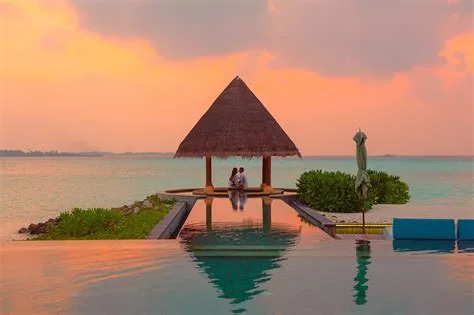
Contemporary honeymoons have seen a surge in personalized experiences, with couples opting for customized trips that reflect their individual interests. Popular trends include adventure travel, eco-friendly getaways, and culinary explorations. “Minimoons” or shorter, closer-to-home trips, have also gained popularity, especially among couples with busy schedules. The focus is on creating experiences that are unique and meaningful to the couple. Whether it’s an exotic safari or a relaxing staycation, the modern honeymoon is all about tailoring the experience to suit the couple’s desires and create lasting memories. The options have exploded, and couples can choose activities that align perfectly with their shared passions.
The Significance of Honeymoon
Beyond being a romantic getaway, the honeymoon provides several psychological and cultural benefits. It serves as a critical transition period for newlyweds, allowing them to bond, communicate, and adjust to their new life together. The honeymoon creates an environment free from the daily pressures of work and family, allowing couples to focus on each other and lay the foundation for a strong, lasting relationship. This time of intimacy fosters trust, communication, and a deeper understanding of each other. The honeymoon’s significance goes beyond the romantic aspect, creating opportunities to develop shared goals and create a sense of partnership.
Psychological Benefits
The honeymoon provides an important opportunity for couples to strengthen their emotional connection and build a sense of intimacy. The change of scenery, the absence of everyday stresses, and the focus on each other contribute to a feeling of well-being and happiness. Research suggests that shared experiences and positive memories created during the honeymoon can positively influence the couple’s relationship satisfaction over the long term. The honeymoon allows couples to relax, de-stress, and enjoy quality time together, contributing to mental and emotional health, laying the groundwork for a successful marriage. It facilitates open communication and promotes the development of mutual trust.
Cultural Variations

Honeymoon practices vary widely across different cultures. Some cultures have unique customs and rituals associated with the honeymoon. In some Asian cultures, the honeymoon may involve staying at a temple or visiting specific spiritual sites. Other cultures may emphasize the couple’s integration into the groom’s family during the honeymoon period. While the core concept remains the same, the specifics of the honeymoon tradition can vary, from the type of activities to the length and significance of the trip. This diversity reflects the rich tapestry of global traditions, each adding a unique dimension to the universal celebration of marriage.
In conclusion, the journey of the honeymoon, from ancient rituals to modern-day getaways, tells a captivating story of evolving traditions, romantic ideals, and societal shifts. The honeymoon has transformed over time, reflecting the changing values and aspirations of couples. While its form may evolve, the fundamental purpose of the honeymoon – to celebrate the union of marriage, foster intimacy, and create lasting memories – remains constant. As we continue to adapt and reimagine the honeymoon tradition, it will undoubtedly retain its allure, ensuring that it remains a significant part of the wedding experience.